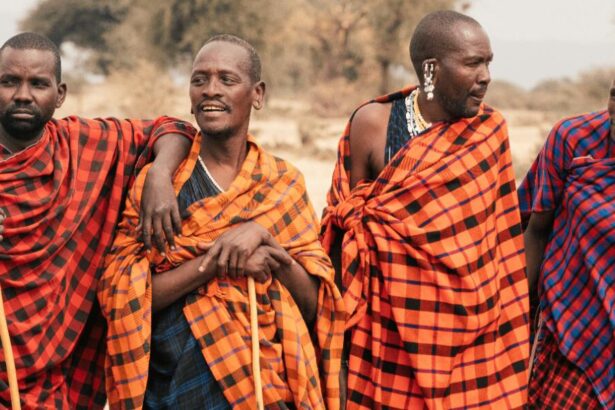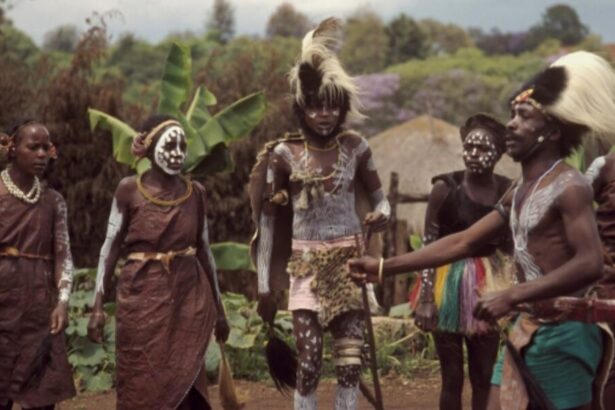
The Kisii people, also known as the Abagusii, are one of Kenya’s most distinctive ethnic communities, renowned for their rich cultural heritage, agricultural traditions, and strong sense of identity. Primarily inhabiting the Kisii Highlands in western Kenya, the Kisii have played a significant role in the country’s social, economic, and cultural development.
Today, the Kisii people are known for their resilience, entrepreneurial spirit, and deep-rooted traditions that continue to shape their modern way of life.
Origins and History of the Kisii People
The Kisii belong to the Bantu ethnic group, sharing linguistic and cultural roots with other Bantu-speaking communities in East Africa. Oral history traces their migration from central Africa centuries ago, with gradual settlement in the fertile highlands near Lake Victoria.
The Kisii Highlands provided ideal conditions for farming, allowing the community to establish stable settlements and a strong agrarian economy. Over time, the Kisii developed complex social structures, customs, and belief systems centered on land, family, and community cohesion.
Despite external pressures during colonial rule, the Kisii maintained much of their cultural identity and adapted their traditions to changing political and economic realities.
Geographic Location and Environment
The Kisii people primarily reside in Kisii and Nyamira counties, an area characterized by rolling green hills, fertile volcanic soil, and high rainfall. This environment has heavily influenced Kisii livelihoods, architecture, and social organization.
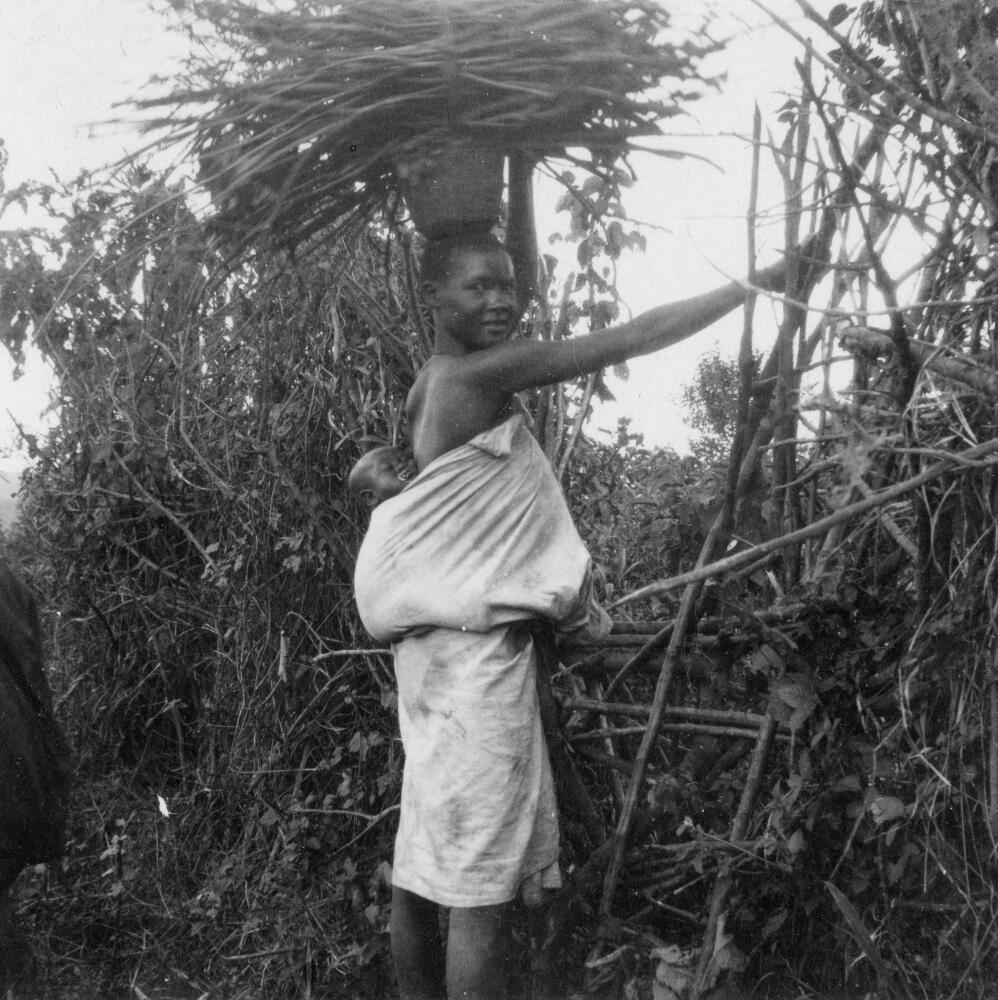
The dense population of the region reflects the land’s productivity, making agriculture central to Kisii life. Terraced farming is common, showcasing generations of land management knowledge and environmental adaptation.
Language and Identity
The Kisii speak Ekegusii, a Bantu language that plays a vital role in preserving cultural identity. While many Kisii are fluent in Swahili and English, Ekegusii remains widely spoken at home and during cultural ceremonies.
Language is closely tied to Kisii values, oral traditions, storytelling, and proverbs, which are used to pass down wisdom, social norms, and historical memory from one generation to the next.
Traditional Livelihoods and Economy
Historically, the Kisii economy has been rooted in subsistence and commercial agriculture. Key crops include:
- Bananas
- Maize
- Tea
- Coffee
- Millet and sorghum
Livestock such as cattle, goats, and chickens also play an important role, not only as sources of food but as symbols of wealth and social status.
In modern Kenya, many Kisii have expanded into business, education, healthcare, politics, and the diaspora economy, making the community one of the most economically dynamic in the country.
Social Structure and Family Life
Kisii society is traditionally clan-based, with extended families forming the backbone of social organization. Elders hold respected positions as custodians of tradition, mediators of disputes, and advisors on community matters.
Marriage is a central institution, historically involving bride wealth and negotiations between families. While practices have evolved, marriage continues to be a key marker of adulthood and social responsibility.
Strong family ties remain a defining feature of Kisii culture, with collective support systems playing an important role in education, business, and social welfare.
Cultural Practices and Beliefs
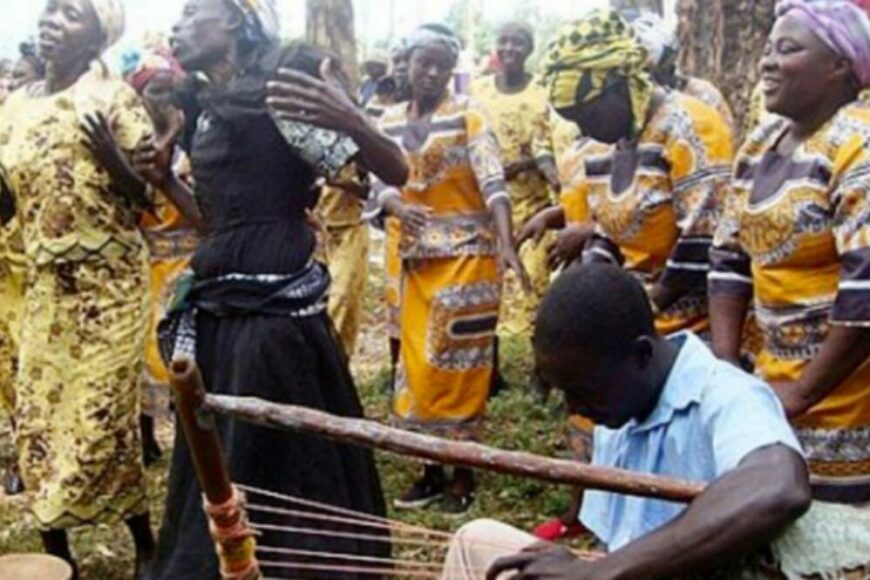
Kisii cultural life is rich with rituals, music, dance, and storytelling. Traditional songs and dances accompany major life events such as births, initiations, weddings, and funerals.
Historically, spiritual beliefs centered on ancestral reverence and a supreme creator, with rituals performed to maintain harmony between the living, the ancestors, and nature. Today, Christianity is widely practiced, often alongside traditional values and customs.
Respect for elders, hard work, and community responsibility are deeply ingrained Kisii values that continue to shape behavior and social expectations.
Art, Craft, and the Soapstone Tradition
One of the most globally recognized aspects of Kisii culture is Kisii soapstone carving. Mined locally, soapstone has been used for generations to create:
- Sculptures
- Bowls and household items
- Decorative and symbolic art pieces
Kisii soapstone art is internationally admired for its craftsmanship and cultural symbolism, providing income for local artisans and helping preserve cultural heritage through creative expression.
Education and Modern Influence
The Kisii place a strong emphasis on education, viewing it as a pathway to social mobility and economic success. The region has produced many professionals in academia, medicine, law, business, and public service.
Urbanization and globalization have influenced Kisii culture, especially among younger generations, yet traditional values such as respect, family loyalty, and community pride remain influential.
The Kisii People in Contemporary Kenya
Today, the Kisii people are an integral part of Kenya’s multicultural identity. They continue to balance tradition and modernity, contributing to national development while preserving their unique cultural heritage.
From agriculture and entrepreneurship to art and education, the Kisii exemplify adaptability and resilience in a rapidly changing world.