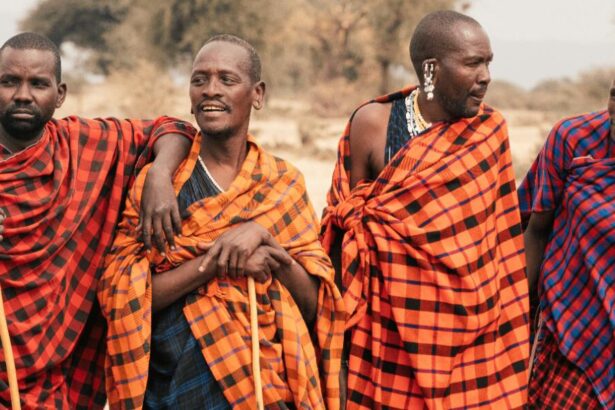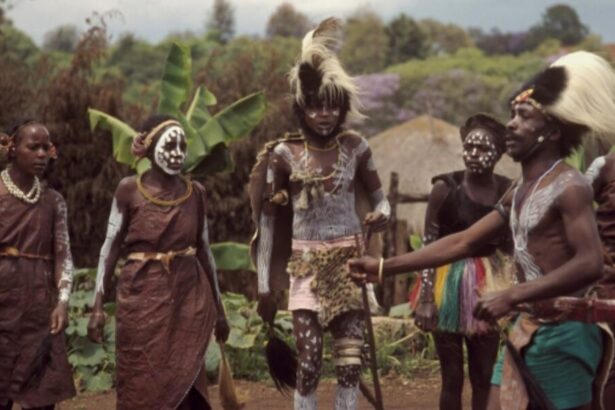
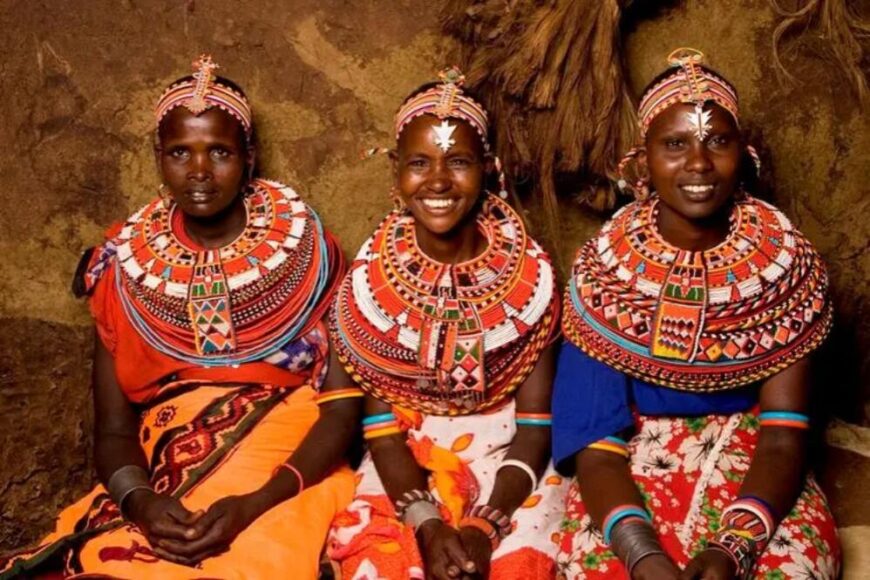
The Bantu people of Kenya represent one of the most influential cultural foundations of East Africa. As the largest linguistic and cultural group in the country, Bantu communities have shaped Kenya’s agriculture, trade systems, social structures, and artistic traditions for centuries. Today, they remain central to the nation’s identity, offering travelers and scholars alike a deeper understanding of Kenya’s living heritage.
For culturally curious travelers, executives, and family offices seeking meaningful, authentic experiences in Africa, learning about the Bantu people provides context that elevates any journey beyond wildlife and landscapes.
Origins of the Bantu People in Kenya
The Bantu peoples trace their origins to West-Central Africa, from where they began a gradual migration east and south over thousands of years. This movement—known as the Bantu Migration—is one of the most significant population movements in African history.
As Bantu-speaking groups settled in what is now Kenya, they adapted to diverse environments, from coastal lowlands and fertile highlands to forested regions and river valleys. Over time, distinct Kenyan Bantu communities emerged, each developing unique customs, dialects, and livelihoods while maintaining shared linguistic roots.
Major Bantu Communities in Kenya
Kenya is home to several prominent Bantu groups, each contributing to the country’s cultural richness:
- Kikuyu – Traditionally agriculturalists of the central highlands, known for strong community governance and land stewardship.
- Luhya – A diverse group occupying western Kenya, recognized for rich musical traditions and communal social structures.
- Kamba – Historically skilled traders and artisans, inhabiting Kenya’s eastern regions.
- Kisii (Gusii) – Highland farmers known for terraced agriculture and soapstone carving.
- Mijikenda – A collective of coastal Bantu groups whose culture blends African and Indian Ocean influences.
Together, these communities form the cultural backbone of Kenya’s population and history.
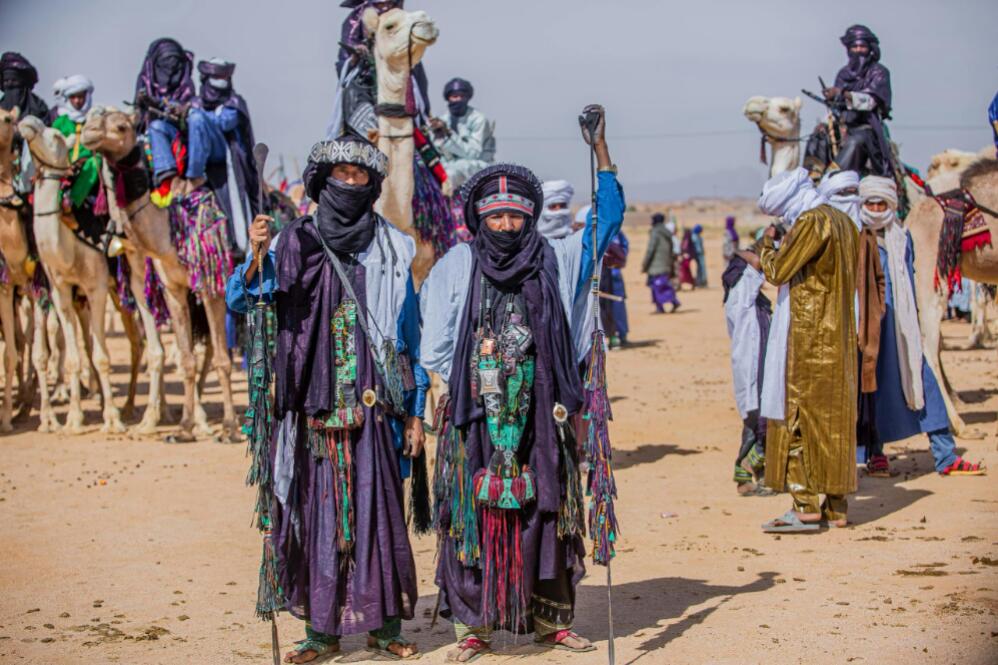
Language and Identity
The Bantu languages spoken in Kenya belong to the Niger-Congo language family, one of the largest in the world. While dialects vary significantly, they share grammatical structures and vocabulary that reflect common ancestry.
Language plays a central role in preserving oral history, folklore, proverbs, and ancestral knowledge. Even in modern Kenya, Bantu languages remain widely spoken alongside English and Swahili, reinforcing cultural identity across generations.
Traditional Bantu Culture and Social Life
Bantu societies in Kenya have traditionally been community-centered, with strong emphasis on kinship, elders, and collective responsibility. Social structures were often organized around extended families and clans, with elders serving as custodians of tradition, law, and moral guidance.
Key cultural elements include:
- Rites of passage marking birth, adulthood, marriage, and elderhood
- Ceremonial music and dance, often tied to seasonal cycles or life events
- Artisanal craftsmanship, including pottery, weaving, beadwork, and carving
- Spiritual beliefs centered on ancestors, nature, and moral harmony
These traditions continue to influence modern Kenyan society, even as lifestyles evolve.
Agriculture, Trade, and Innovation
Historically, Bantu communities in Kenya were among the region’s most skilled farmers and land managers. They cultivated crops such as millet, sorghum, bananas, yams, and later maize, adapting farming techniques to local ecosystems.
Many Bantu groups also developed regional trade networks, exchanging agricultural produce, iron tools, crafts, and livestock with neighboring communities. These early economic systems laid the groundwork for Kenya’s later commercial and urban development.
The Bantu Influence on Modern Kenya
The impact of the Bantu people extends well beyond history. Today, Bantu traditions influence:
- Kenyan cuisine, including staple foods and preparation methods
- Music and storytelling, reflected in contemporary art and performance
- Political and social structures, particularly at the community level
- Environmental knowledge, informing conservation and land-use practices
Understanding Bantu heritage provides insight into how Kenya balances modernity with tradition.
Experiencing Bantu Culture Through Travel
For travelers seeking cultural depth alongside luxury travel, Kenya offers opportunities to engage with Bantu heritage through private cultural visits, artisan workshops, traditional music experiences, and guided historical narratives.
When approached respectfully and ethically, these encounters offer a richer, more nuanced understanding of Kenya—complementing safari experiences with human history and living culture.
Why the Bantu Story Matters Today
In an era where travelers increasingly value authentic, responsible, and meaningful experiences, the story of the Bantu people offers perspective on resilience, adaptation, and continuity. Their history reflects how communities thrive through connection to land, culture, and shared identity.
For Kenya, the Bantu legacy is not a relic of the past—it is a living foundation, shaping the country’s present and future.