Safety and Incognito Standards at Ruaha National Park
Exclusive Safety and Privacy Protocols for CelebritySafaris.tours Guests
Ruaha National Park, Tanzania’s second-largest wilderness area (20,226 sq.km), offers an unparalleled and magnificent safari experience. Our safety and privacy standards ensure that your exploration of this outstanding wilderness, where game viewing is best during the dry season along the Great Ruaha River, remains secure and absolutely discreet.
Ruaha National Park is one of Tanzania’s most outstanding wilderness areas, known for its magnificent landscapes and excellent game viewing, particularly during the dry season when animals congregate near the Great Ruaha River. It is the country’s second-largest national park and is located in south-central Tanzania.
Travel is managed by Christina and Lemein using strict protocols:
Air Travel: We arrange private charter flights where possible, routing arrivals through discrete entrances at Msembe Airstrip or Jongomero Airstrip to bypass public arrival protocols.
Airlines Vetted: Even when using partners like Coastal Aviation, we coordinate private departures/arrivals to maintain a strict information blackout on client manifests.
Ground transfers from locations like Iringa, Dar es Salaam, or Mbeya utilize vetted, non-branded, or armored vehicles. Routes are constantly varied to minimize exposure to media or unauthorized personnel, ensuring a secure and incognito transfer.
Lemein, our Maasai Tribe Specialist, provides unmatched threat assessment against wildlife and environmental hazards, leveraging his innate knowledge gained from being raised in the Serengeti. He ensures safety protocols are strictly followed in game viewing areas, especially during the dry season when wildlife is concentrated near the Great Ruaha River.
Every step of the stay is designed for discretion:
Accommodation: Lodges and camps are selected for their isolated locations and private access points.
Staff Discretion: All staff are trained and bound by strict non-disclosure agreements regarding the guest’s presence or itinerary.
Digital Blackout: Measures are enforced to prevent unauthorized photography or data sharing by staff or other individuals within the park.
We maintain dedicated communication channels and utilize Lemein’s field expertise, along with pre-positioned resources, to ensure rapid and discreet emergency extraction or immediate medical response, minimizing disruption and maintaining security.
Ruaha National Park is renowned for its incredible biodiversity, particularly its large populations of predators and elephants, making it one of Africa’s top wildlife viewing destinations.
Here are the key animals that live in the park:
Large Mammals and Herbivores
Elephants: Ruaha holds Tanzania’s largest elephant population, often seen congregating near the Great Ruaha River during the dry season.
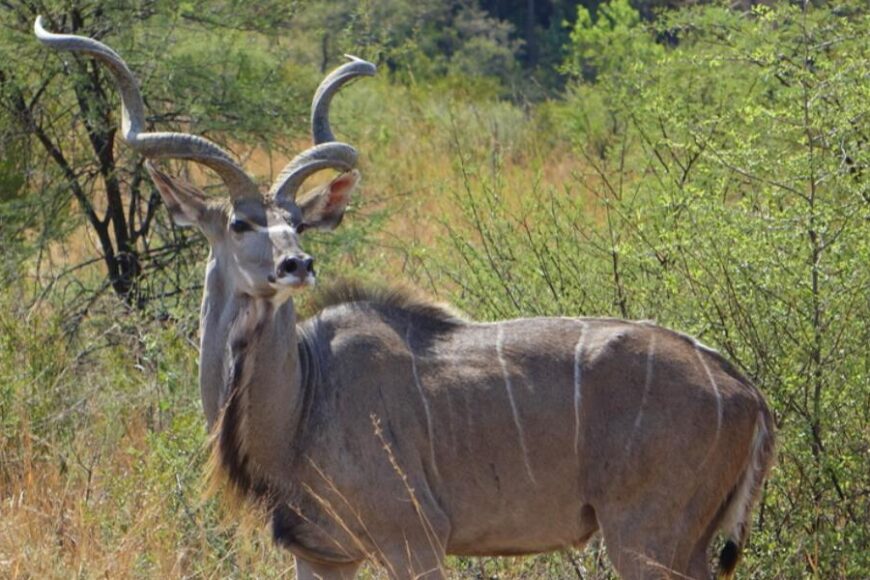
Kudu (Greater and Lesser): Ruaha is one of the few places where both the Greater Kudu (known for their magnificent spiral horns) and the Lesser Kudu coexist.
Sable and Roan Antelope: These are two of the rarer, majestic antelope species found in the park, particularly in the miombo woodland areas.
Giraffe: The park is home to the Maasai giraffe subspecies.
Buffalo: Large herds of African buffalo are common, especially near water sources.
Hippos and Crocodiles: Abundant along the Great Ruaha River.
Predators
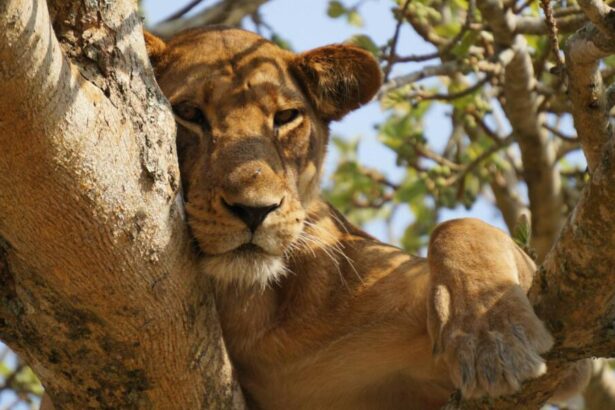
Lions: Ruaha has a significant and healthy population of lions, known for their large prides.
African Wild Dogs (Painted Wolves): The park is one of the most important protected areas in Africa for this endangered species. Sightings, while rare, are a highlight.
Cheetahs: Found primarily in the open plains and rocky areas.
Leopards: Often spotted in the thick riverine bush and rocky kopjes.
Spotted Hyenas: Common throughout the park.
Birds
With over 570 recorded species, Ruaha is a birdwatcher’s paradise. It is a transition zone where both northern and southern bird species overlap. Key sightings include:
Raptors: Such as the African Fish Eagle and various vultures.
Hornbills: Including the striking Yellow-billed and Red-billed Hornbills.
Endemic Species: Numerous species endemic to Tanzania can be found here.