For A-list travelers, the African safari isn’t just a vacation—it’s a statement. These conservancies combine ultra-luxury accommodations, exclusive wildlife encounters, and measurable conservation impact, allowing high-profile guests to explore Africa’s wild heart incognito while supporting the survival of one of the planet’s most iconic species: the rhino.
1. Lewa Wildlife Conservancy, Kenya
Location: Northern Kenya
Why It Captivates Celebrities: Lewa is a global leader in rhino conservation, protecting both black rhinos and white rhinos across its secure 62,000-hectare savannah and hilly terrain. The rolling hills, riverine forests, and open plains create the perfect environment for rhinos, elephants, and other megafauna.
The VIP Experience: Private access, limited vehicles, and luxury lodges ensure complete discretion. Helicopter transfers, personalized guides, and bespoke bush dining offer a safari tailored to every whim.
Rhino Spotlight:
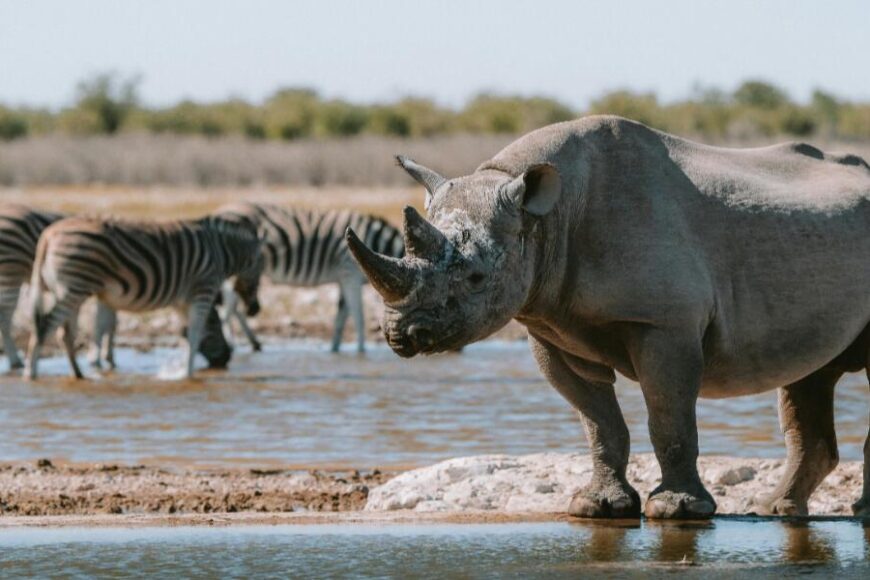
- Black Rhino (Diceros bicornis): 800–1,400 kg, 1.4–1.8 m at the shoulder, typically solitary.
- White Rhino (Ceratotherium simum): 1,800–2,700 kg, 1.7 m at the shoulder, social, often forming small herds.
- Environment: Prefer open grasslands and woodlands, often near waterholes.
Conservation at Its Core: Elite anti-poaching units, funded through a high-cost, low-volume tourism model, protect the rhinos, with guests able to witness conservation in action on private guided tours.
Celebrity Safari Tours Tip: Book early-morning or late-afternoon drives — rhinos are most active during cooler hours, often grazing or moving between waterholes. Your expert guide ensures private, safe, and unobtrusive viewing, allowing you to witness these majestic creatures up close in their natural habitat, creating a luxurious, immersive wildlife experience.
2. Ol Pejeta Conservancy, Kenya
Location: Laikipia region, near Mount Kenya
Why It Captivates Celebrities: Ol Pejeta is a living conservation icon. Former home of the last Northern White Rhinos, it now safeguards a thriving population of black rhinos, making it a globally significant wildlife sanctuary. The area’s acacia woodlands, riverine forests, and open plains are ideal for rhinos and other endangered species.
The VIP Experience: Exclusive camps offer private game drives, night safaris, and behind-the-scenes tours of anti-poaching operations and research programs, all without exposure to the public eye.
Rhino Spotlight:
- Black Rhino: Browsers that feed on shrubs and trees, typically active early morning and late afternoon.
- Size & Weight: 1,800–2,700 lbs for black rhinos, 3,500–6,000 lbs for white rhinos.
- Habitat: Prefers semi-arid savannahs and open woodlands; often requires thick vegetation for cover.
Community Connection: Local Maasai communities play an active role in conservation, offering cultural experiences for guests while protecting wildlife.
3. Singita Grumeti Reserves, Tanzania
Location: Western corridor of Serengeti National Park
Why It Captivates Celebrities: Singita Grumeti is a private safari concession renowned for exclusive, off-the-grid luxury. Its rolling plains, acacia woodlands, and riverine forests provide critical habitat for resident rhinos and migratory species alike.
The VIP Experience: Guests enjoy off-road drives, walking safaris, and private night expeditions, forbidden in the national park itself. Villas feature private pools, chefs, and total discretion. Every detail is crafted for luxury, privacy, and conservation impact.
Rhino Spotlight:
- White Rhino: Grazers that feed on grasses; can weigh up to 2,700 kg and reach 1.8 m at the shoulder.
- Black Rhino: Typically smaller but highly territorial; can weigh up to 1,400 kg.
- Environment: Prefers grassland with access to water and shrubs for feeding; highly sensitive to human disturbance, making secluded reserves ideal.
Conservation Impact: Luxury fees fund rhino protection, habitat management, and anti-poaching patrols, allowing guests to make a direct impact on wildlife preservation.
Why Celebrities Choose These Safaris
For high-profile guests, the appeal lies in discretion, comfort, and purpose. Every element—from helicopter transfers to private lodges—is designed for incognito exploration, allowing guests to witness magnificent rhinos weighing up to 2.7 tons, browsing or grazing in pristine habitats, while making a meaningful contribution to their survival.
In short: it’s not just a safari—it’s a secret sanctuary for the stars, where luxury, privacy, and wildlife conservation converge.