
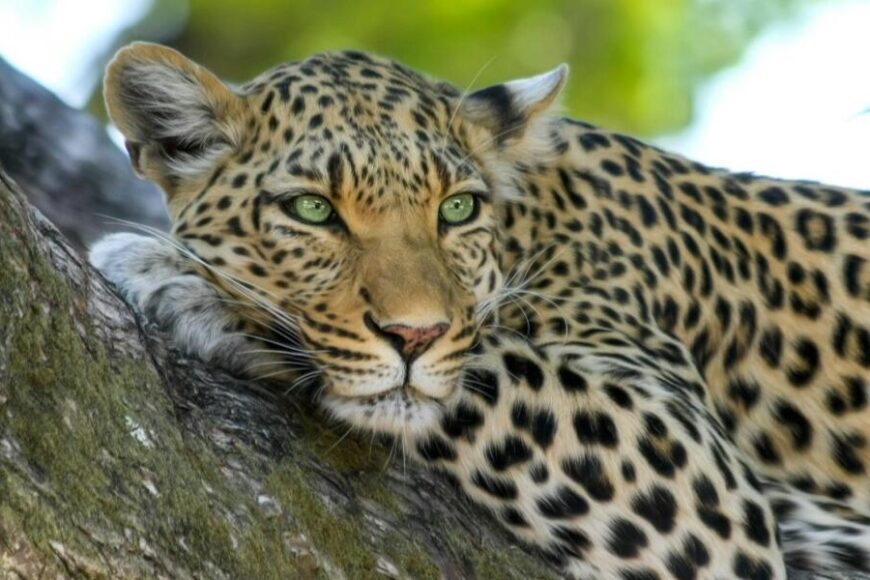
In the wild heart of East Africa, where light and shadow weave across acacia branches, leopards move with a grace unmatched by any other predator. Silent, elusive, and breathtakingly beautiful, these spotted cats are the true ghosts of the savannah.
From the riverine forests of the Maasai Mara to the rocky kopjes of the Serengeti, leopards continue to thrive thanks to the protection of local communities, the stewardship of conservation partners, and the responsible approach of safari companies such as Celebrity Tours.
Leopards communicate through rasping calls—deep, saw-like sounds that echo in the cool hours of dawn and dusk. These nocturnal wanderers patrol territories with precision, their golden eyes scanning the world silently.
Unlike lions, leopards prefer solitude. They are highly adaptable, capable of living in forests, savannahs, mountains, and even near human settlements—if given space to remain unseen.
With powerful limbs and unmatched agility, leopards can hoist prey heavier than themselves high into the branches of trees, protecting their meals from hyenas and lions. Their rosette-patterned coats allow them to blend seamlessly into foliage, making them some of the most challenging animals to spot on safari.
Because leopards are elusive, viewing them ethically requires patience, expertise, and respect—qualities that Celebrity Tours is known for.
Their guides understand leopard behavior intimately, ensuring sightings are quiet, unpressured, and never disruptive. Safaris focus on observing natural behavior: a mother returning to hidden cubs, a male scent-marking a territory, or a leopard descending a tree in a single, liquid motion.
Celebrity Tours emphasizes responsible tourism, contributing to conservation projects that protect leopard habitats and the critical tree-lined river corridors they depend on.
For centuries, the Maasai people have shared the landscape with leopards, recognizing them as creatures of stealth, power, and mystery. While leopards occasionally come near livestock areas, many Maasai communities today work actively to protect them through modern conservation strategies.
Their contributions include:
Community-run conservancies where leopards can roam safely
Livestock protection programs that reduce conflict and prevent retaliation
Maasai wildlife scouts trained to monitor leopard movements and prevent poaching
Education initiatives teaching coexistence and the ecological importance of predators
By securing safe habitats and migration corridors, Maasai-managed lands have become some of the best places in East Africa to observe leopards living naturally and undisturbed.
Leopards face threats such as habitat fragmentation, human conflict, and loss of prey species. Yet their resilience remains extraordinary.
Thanks to Maasai stewardship, conservation partners, and the respectful approach of safari companies like Celebrity Tours, the mysterious beauty of the leopard continues to thrive in East Africa.
With ongoing protection and community-led conservation, these spotted shadows will continue slipping silently through the forests, grasslands, and golden landscapes—reminding us that the wild still holds secrets worth protecting.