Call us today: +255687747064
“All truly famous people wish fame had a switch.”

Masai Mara National Reserve Kenia

Masai Mara National Reserve — The Crown Jewel of African Safaris A masterpiece of wildlife, culture, and conservation

The Masai Mara National Reserve stands as one of the world’s most exalted wilderness realms — a landscape where cinematic beauty, extraordinary wildlife density, and the deep cultural soul of the Maasai people converge to create a safari experience of unrivaled prestige. For our Celebrity Safari Tours guests, the Mara is not merely a destination; it is an orchestrated blend of privacy, authenticity, and awe-inspiring encounters curated with your comfort, safety, and complete discretion at the forefront.

Masai Mara National Reserve — Celebrity Safari Tours Edition

Situated in the sweeping grasslands of southwestern Kenya, this globally celebrated ecosystem is renowned for delivering some of Africa’s most extraordinary wildlife moments. The Mara is home to the legendary Big Five, spectacular predator sightings on open savannah, and the awe-inspiring Great Wildebeest Migration — a natural phenomenon often hailed as the greatest wildlife spectacle on Earth. Millions of wildebeest, zebras, and gazelles thunder across the plains in a breathtaking rhythm of survival, drawing lions, cheetahs, hyenas, and crocodiles into dramatic, unforgettable scenes.
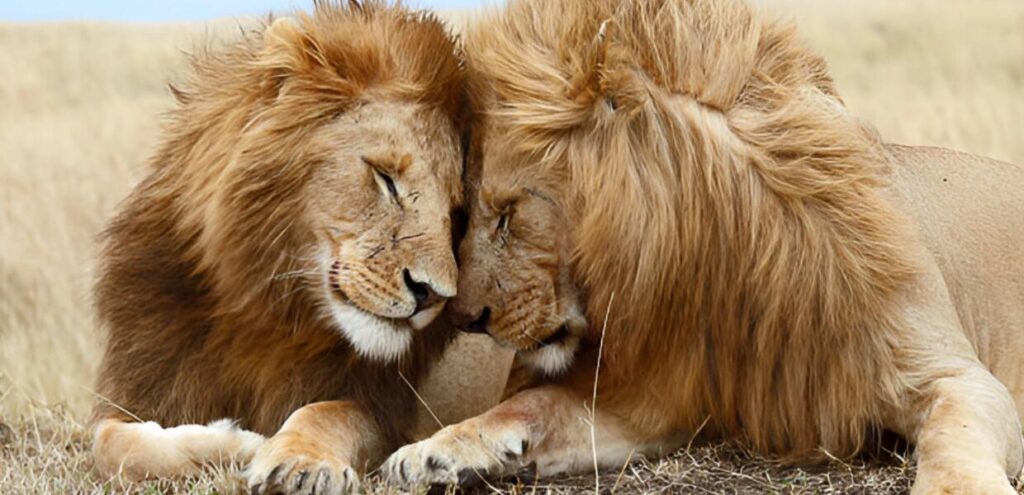
 
celebritysafari.tours -Lion-Couple-Serengeti-Tanzania
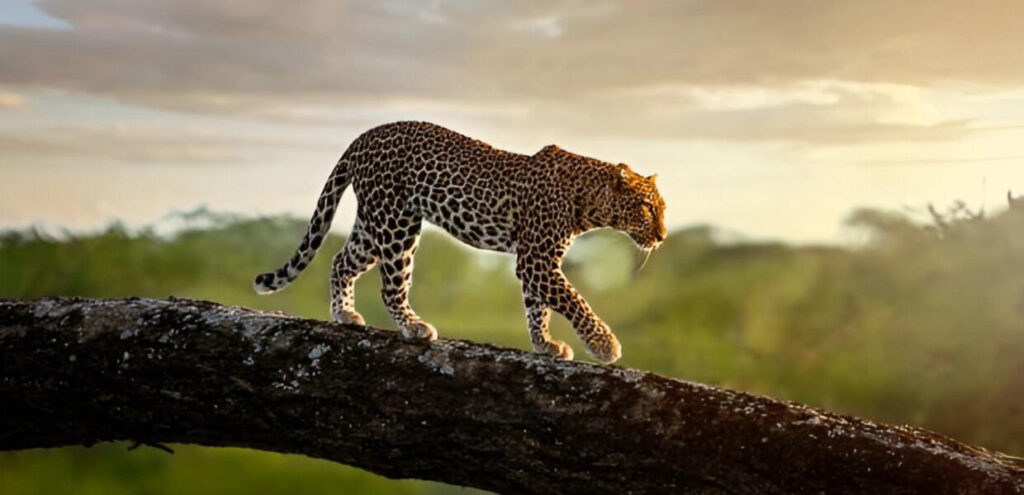
Celebrity-Safari-East-Africa

But beyond its world-famous game viewing, the Masai Mara is a landscape with depth, history, and purpose. It is a living ecosystem shaped by pioneering conservation efforts and the resilient stewardship of local Maasai communities, whose partnership is essential to preserving this irreplaceable wilderness. The Mara also forms a vital part of the larger Serengeti–Mara ecosystem, a transboundary conservation corridor that sustains hundreds of species and supports one of the most important wildlife migrations on the planet.

At Celebrity Safari Tours, we curate Mara experiences that honor this remarkable landscape — blending luxury with environmental responsibility. From private conservancy access and secluded game drives to cultural exchanges rooted in respect and authenticity, every moment is designed to immerse our guests in the spirit, beauty, and power of the Masai Mara.


Set within Narok County, along Kenya’s southwestern border with Tanzania, the Masai Mara forms the northern extension of the Serengeti–Mara Ecosystem—a wildlife system covering more than 25,000 km².

Key Geographic Highlights

  • Size: 1,510 km² (core reserve); over 1,500 km² more in surrounding conservancies

  • Altitude: 1,500–2,170 meters

  • Key features: sweeping savannahs, riverine forests, seasonal wetlands, acacia woodlands, and the dramatic Oloololo Escarpment

This diversity of habitats sustains extraordinary wildlife density year-round.


1948 — Protected as a Wildlife Sanctuary

Initially established to safeguard migration corridors and resident wildlife.

1961 — Designated as a National Reserve

Management shifted to Narok County Council, allowing carefully regulated human activities such as seasonal Maasai grazing.

1980–2000s — Tourism Boom & Conservation Challenges

Growing tourism pressures, land subdivision, and settlement led to declining wildlife numbers and accelerated the need for new conservation models.


Two Management Authorities

  • Narok County Government — oversees the main reserve

  • Mara Conservancy — manages the renowned Mara Triangle under a successful Public–Private Partnership since 2001

Guided by the Mara General Management Plan (2020–2030)

Key initiatives include:

  • Vehicle limits and zoning to reduce overcrowding

  • Infrastructure improvements

  • Sustainable tourism capacity monitoring

  • Enhanced community revenue-sharing

  • Protection of wildlife corridors from fencing

This modern, proactive stewardship underpins the reserve’s long-term resilience.


To reduce pressure on the core reserve, the Maasai community partnered with tourism companies to create private conservancies bordering the Mara.

Leading Conservancies Include:
Olare Motorogi • Naboisho • Mara North • Ol Kinyei • Enonkishu • Lemek • Olchorro

Their Impact

  • 1,500+ km² of additional protected land

  • 1,000+ Maasai landowners earning stable lease income

  • Wildlife densities equal to — or greater than — the reserve itself

This approach is now studied worldwide as a model for community-led conservation.


The Masai Mara is the northern anchor of the Great Migration, hosting:

  • 1.5 million wildebeest

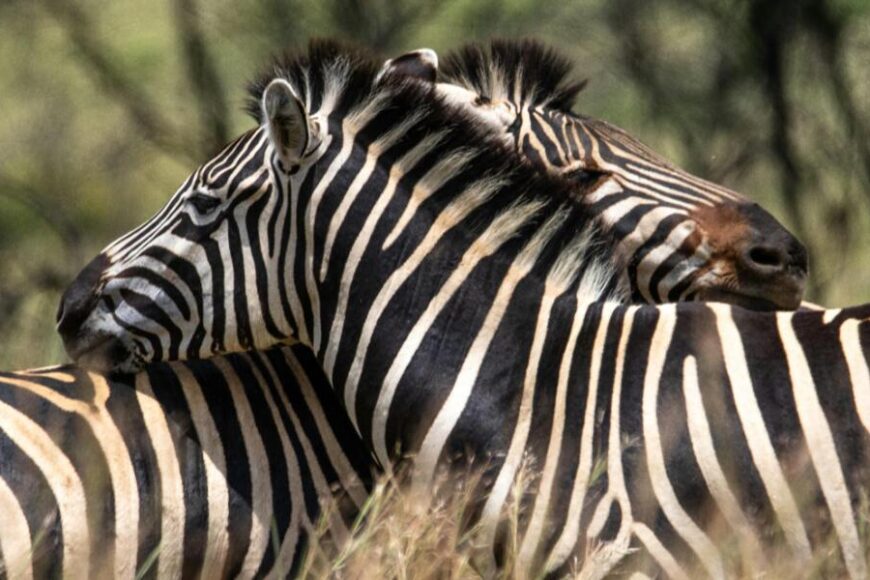
  • 400,000 zebras

  • 200,000 gazelles

Beyond migratory herds, the Mara supports:

  • 95+ mammal species

  • 470+ bird species

  • Some of Africa’s strongest predator populations

Keystone Wildlife

  • Lions: ~850

  • Cheetahs: 50–70

  • Leopards, hyenas, wild dogs

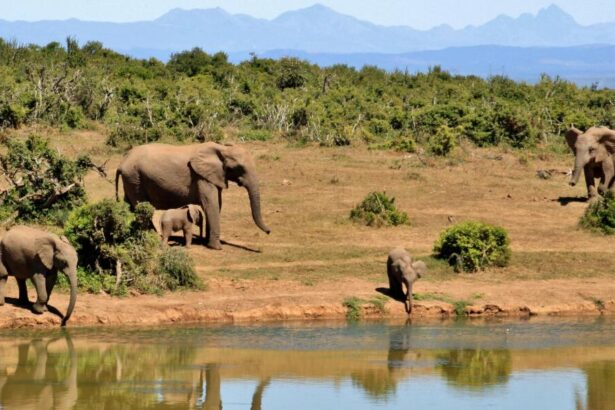
  • Elephants: ~2,400 in the ecosystem

The Mara is also recognized as an Important Bird Area (IBA).


Tourism is the engine that drives conservation in the Mara:

  • 300,000+ visitors annually

  • Over KES 2.5 billion (~$20M USD) revenue

  • Thousands of local jobs created

Signature Activities

  • Game drives (daytime in the reserve; all-day/night in conservancies)

  • Hot-air balloon safaris

  • Walking safaris & horseback safaris (in conservancies)

  • Authentic Maasai cultural experiences


Despite its global fame, the Mara faces ongoing pressures:

  • Increasing habitat fragmentation from fencing

  • Overcrowding during migration peak months

  • Climate variability impacting grazing and river systems

  • Multi-agency enforcement complexities

Addressing these challenges is central to the future of the ecosystem.


The Masai Mara is not simply a tourism icon — it is:

  • A biological stronghold for key species

  • A community-driven conservation model

  • A cultural heritage landscape

  • A cornerstone of Kenya’s ecological and economic future

Its story illustrates what is possible when local communities, government institutions, private operators, and conservation experts work together with a shared vision.


You might be interested in …

Get in touch

Let’s keep the conversation going