Kigali Genocide Memorial – A Place of Remembrance, Education, and Global Peacebuilding
The Kigali Genocide Memorial stands as Rwanda’s most important site of remembrance for the Genocide against the Tutsi, and a global center for peace education and genocide prevention. Developed through a collaboration between Rwandan authorities and the Aegis Trust for Genocide Prevention, the Memorial reflects Rwanda’s journey from tragedy to reconciliation.
Opened in 2004, the Kigali Genocide Memorial has become a powerful symbol of remembrance, resilience, and hope. It also serves as the foundation for peace and values education now embedded within Rwanda’s national school curriculum—demonstrating that if peace can be built after genocide, it can be built anywhere.
Origins of the Kigali Genocide Memorial
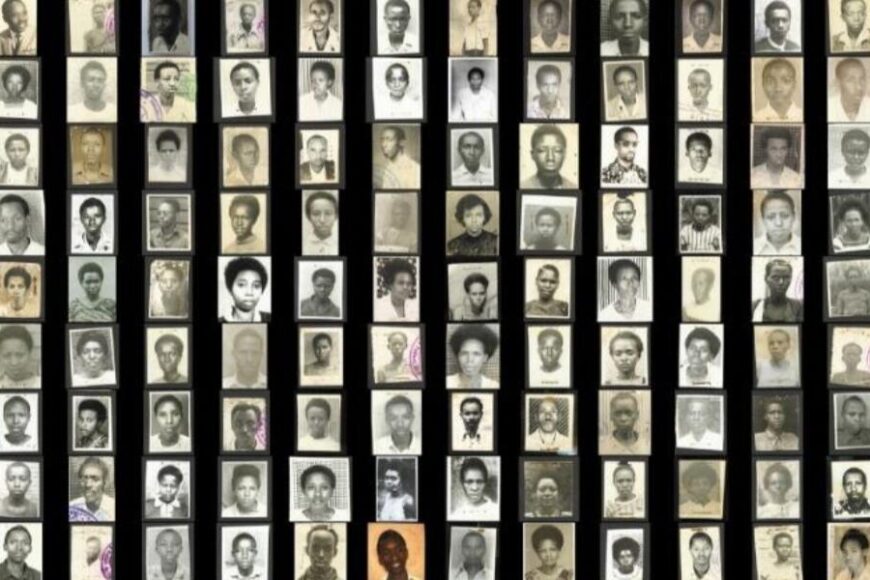
After the Genocide against the Tutsi was halted by the Rwandan Patriotic Front (RPF) in 1994, Kigali authorities selected a hillside in Gisozi as the final resting place for more than 250,000 victims murdered during the genocide. Mass graves were established, and memorial buildings were constructed beside them.
The critical question remained: how could this space honor the dead while also educating future generations and preventing genocide from happening again?
The British Connection and the Aegis Trust
In 2002, the Mayor of Kigali, alongside Rwanda’s Minister of Youth, Sports and Culture, visited the UK National Holocaust Centre, founded by the Aegis Trust. Inspired by its dual role as a place of remembrance and education, Rwandan leaders invited Aegis Trust to help establish the Kigali Genocide Memorial.
This partnership ensured the Memorial would honor victims while also engaging young people, survivors, and communities in meaningful learning about the past, present, and future.
A Global Vision for Unity and Prevention
From its inception, the Kigali Genocide Memorial was designed not only to commemorate victims, but to confront the ideas and divisions that lead to genocide—without alienating future generations. This inclusive approach positioned remembrance as a starting point for national unity, reconciliation, and global learning.
The Memorial reflects the Aegis Trust’s broader mission: using education and remembrance as tools for genocide prevention worldwide.
The Aegis Genocide Prevention Model
The Memorial operates within the Aegis Trust’s internationally recognized three-phase genocide prevention model:
Primary Prevention
Research, remembrance, and education that strengthen community resilience and reduce the risk of future genocide.
Secondary Prevention
Evidence-based advocacy and campaigns aimed at preventing mass atrocities in real time.
Tertiary Prevention
Long-term support for survivors and communities recovering after genocide.
The House of Memory and Survivor Testimony
At the heart of the Kigali Genocide Memorial is the House of Memory, which honors survivors and preserves their testimonies. The Memorial also hosts the Genocide Archive of Rwanda, safeguarding historical records for future generations.
Many survivors describe the Memorial as their home—a place where remembrance begins with listening to lived experiences and transforms into learning that protects the future.
Peace and Values Education in Rwanda
When the Memorial opened, Rwanda’s national school curriculum contained no formal education about the Genocide against the Tutsi. To address this, Aegis Trust developed an innovative peace education program using storytelling and survivor narratives.
This approach promotes three core values:
- Critical thinking
- Empathy
- Personal responsibility
The goal is to teach young people about the past without blame or trauma, while fostering resilience against identity-based violence.
National Impact in Rwanda
In 2008, Peace and Values Education was launched at the Kigali Genocide Memorial. By 2013, in partnership with Rwanda’s Ministry of Education, it expanded to 22 districts. Independent evaluations confirmed positive changes in student attitudes and community behavior.
In 2014, the Rwanda Education Board officially integrated Peace and Values Education into the national curriculum. Today, the program reaches over 2.5 million students annually, making it one of the most impactful genocide-prevention education initiatives in the world.
International Impact and Global Peacebuilding
The success of Rwanda’s peace education demonstrates that reconciliation after genocide is possible anywhere. Today, the Kigali Genocide Memorial partners with communities at risk of identity-based violence across Africa and beyond, including South Sudan, Central African Republic, and Kenya.
These international collaborations have already helped save lives—and continue to expand the Memorial’s global mission of prevention, peace, and education.
A visit to the Kigali Genocide Memorial offers an essential and deeply moving understanding of Rwanda’s history, resilience, and reconciliation. For Celebrity Tours guests, the Memorial provides meaningful context to the country’s transformation and an opportunity to reflect on the power of peace, unity, and remembrance in a serene and dignified setting.
Visitors can explore thoughtfully curated exhibitions, mass graves honoring over 250,000 victims of the Genocide against the Tutsi, survivor testimonies, and the Genocide Archive of Rwanda. Guided visits are available and recommended, offering deeper insight while ensuring a respectful and educational experience.
Guests can support the Memorial by visiting, making donations, purchasing items from the Memorial gift shop, and spreading awareness about genocide prevention and peace education. These contributions help fund survivor support programs, education initiatives, and the preservation of historical archives.
The Kigali Genocide Memorial is located in Gisozi, approximately 15 minutes from Kigali city center. Celebrity Tours provides private, air-conditioned transportation with professional guides, ensuring a seamless and comfortable journey to and from the Memorial.
The Memorial welcomes visitors of all backgrounds; however, due to its emotional nature, it is best suited for mature travelers. Celebrity Tours prepares guests in advance and ensures visits are handled with sensitivity, allowing time for reflection and support throughout the experience.