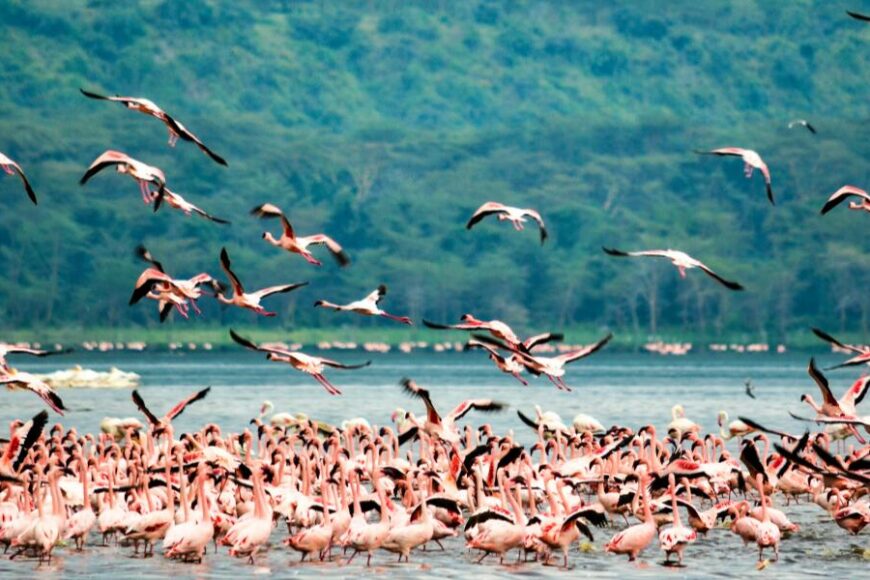
Once world-famous for hosting over 1.5 million flamingos and recognized as Kenya’s first RAMSAR wetland of international importance, Lake Nakuru National Park is now facing one of the most urgent ecological challenges in the region. What was once a shimmering alkaline lake supporting vast flamingo colonies has been dramatically altered by a combination of urban expansion, deforestation, pollution, and weakened waste-management systems in the rapidly growing city of Nakuru.
In recent years, rising lake levels, siltation, and chemical pollution have disrupted the delicate balance that allowed cyanobacteria—the flamingos’ main food source—to thrive. During heavy rains, 30–40 tonnes of plastic waste are washed into the lake, while untreated sewage and industrial effluent continue to contaminate the water. The formerly alkaline waters are now increasingly diluted, leading to drastic changes in birdlife patterns.

Upstream, the situation is equally concerning. The Eastern Mau Forest, Lake Nakuru’s most important watershed, has lost over 46% of its forest cover, causing severe soil erosion and destabilizing the streams that feed the lake. As a result, the lake’s depth has dropped from 2.6 meters to just 1.4 meters, exposing dry lake beds, shrinking wetlands, and displacing wildlife that depend on these habitats. If these trends continue, the lake risks losing not only its iconic pink flamingo flocks but also its status as one of Kenya’s most important wildlife sanctuaries.
Amid these escalating threats, LakeNakuru.org was launched by a dedicated network of conservation advocates who recognize both the extraordinary beauty of Lake Nakuru and the urgency of protecting it. The platform is designed to serve as:
-
A hub of reliable information about the lake’s ecology, species, and natural history
-
A conservation awareness center highlighting both current threats and potential solutions
-
An action network, inspiring citizens, travelers, students, and global nature enthusiasts to take part in safeguarding this fragile ecosystem
Our mission is simple: inform, inspire, and advocate—ensuring that Lake Nakuru’s pink horizons, majestic wildlife, and rare ecosystems endure for future generations.
Nestled in the dramatic landscape of the Great Rift Valley, about 170 km northwest of Nairobi, Lake Nakuru National Park has long been one of Kenya’s most accessible and beloved wildlife destinations. Despite its compact size, it features remarkable diversity: alkaline lakes, acacia woodlands, forested ridges, open grassland, and rare euphorbia forests.
It is a favorite for travelers because of:
-
Its incredible birdlife, once dominated by millions of flamingos
-
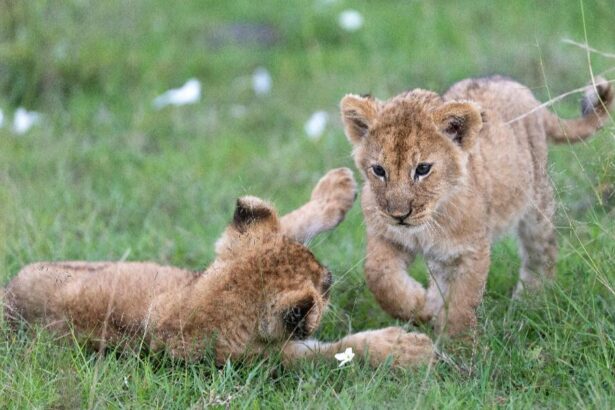
High densities of mammals including rhinos, lions, leopards, buffaloes, zebras, and Rothschild’s giraffes
-
Easy accessibility from Nairobi and other Rift Valley towns
-
Scenic viewpoints, seasonal waterfalls, and iconic Rift Valley panoramas
-
1961: Gazetted as a bird sanctuary to protect the immense flamingo populations.
-
1968: Elevated to national park status as tourism grew and threats increased.
-
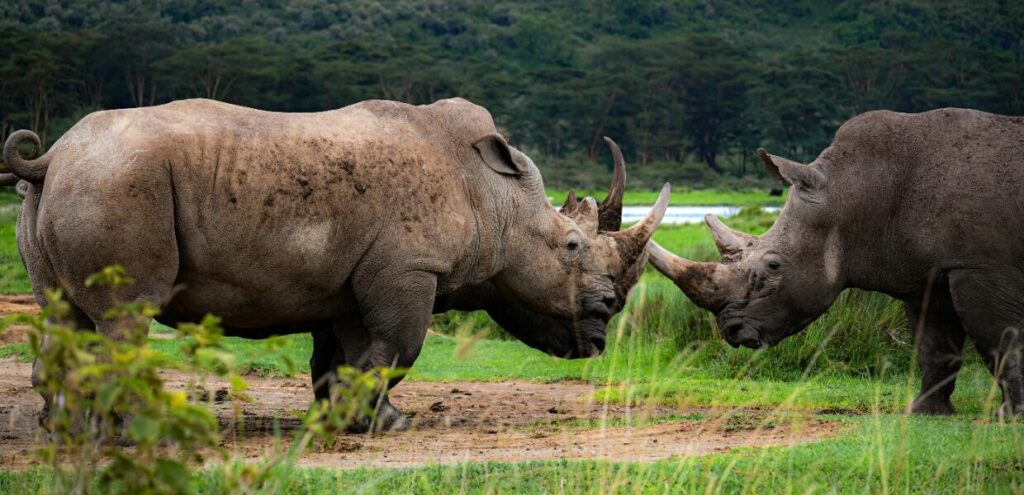
1984: Declared Kenya’s first rhino sanctuary, becoming a stronghold for both black and white rhinos.
-
Today: Managed by the Kenya Wildlife Service (KWS), Lake Nakuru remains a vital site for endangered species, environmental research, and ecological education. Scientists frequently visit to study its changing ecosystems and unique habitats.
Covering approximately 188 km² (73 sq. miles), the park sits on the floor of the Rift Valley surrounded by:
-
Volcanic hills
-
Forested escarpments
-
Savanna plains
-
Wetlands and marshes
At an altitude of 1,750–1,900 meters, the climate is cool and temperate. The lake’s alkalinity historically supported dense algae blooms, fueling one of the greatest flamingo congregations on Earth—a spectacle now threatened by ecological change.
Ecosystems include:
-
Acacia and fever-tree forests
-
Euphorbia woodlands
-
Grasslands
-
Cliffs and ridges
-
Wetlands and shoreline habitats
This diversity makes the park one of East Africa’s richest bird and mammal landscapes relative to its size.
-
Dry season (June–March): Best for game viewing, photography, and easier road conditions.
-
Wet season (April–May & Oct–Nov): Lush scenery and peak migratory bird activity (Nov–Apr), though roads may be muddy.
Although elephants are absent, the park boasts an impressive array of mammals:
-
Black & white rhinoceroses
-
Lions (often tree-climbing)
-
Leopards
-
Buffaloes, zebras, eland, impala, waterbucks
-
Rothschild’s giraffe
-
Warthogs, baboons, vervet monkeys, mongoose
Birdlife is extraordinary, with over 450 species, including:
-
Flamingos (numbers vary with water levels)
-
Great white pelicans
-
African fish eagles
-
Cormorants, storks, herons, ibises
-
Hornbills, kingfishers, and numerous raptors
At Celebrity Tours, we believe Lake Nakuru is far more than a beautiful destination — it is a vulnerable ecosystem deserving our voice, our stewardship, and our collective protection. Today, this iconic Rift Valley sanctuary faces growing pressures, including pollution, climate fluctuations, habitat loss, and dramatic changes in water levels. Lake Nakuru stands at a defining moment, and what we do now will shape its future for generations.
We invite travelers, conservationists, students, and nature enthusiasts from around the world to stand with us in championing responsible tourism, advocating for stronger environmental policies, and supporting science-based conservation efforts that safeguard this delicate ecosystem.
To make conservation-focused travel more accessible, Celebrity Tours has partnered with Kambu Campers to provide affordable yet unforgettable Lake Nakuru experiences. With trusted, safari-ready Land Cruisers and expert local guides, guests can explore the lake’s diverse habitats while directly supporting sustainable tourism initiatives.
Lake Nakuru is not just another stop on a safari itinerary — it is a shimmering jewel of the Great Rift Valley. Here, endangered rhinos graze peacefully on open plains, flamingos draw sweeping pink patterns across the alkaline lake, and Rothschild’s giraffes wander gracefully through acacia woodlands. Every visit reminds us why this protected area must be preserved.
With your partnership and passion, we can help ensure that the wildlife, wetlands, and woodlands of Lake Nakuru continue to flourish. Together, we can protect this sanctuary — so its beauty, biodiversity, and wonder endure long into the future.