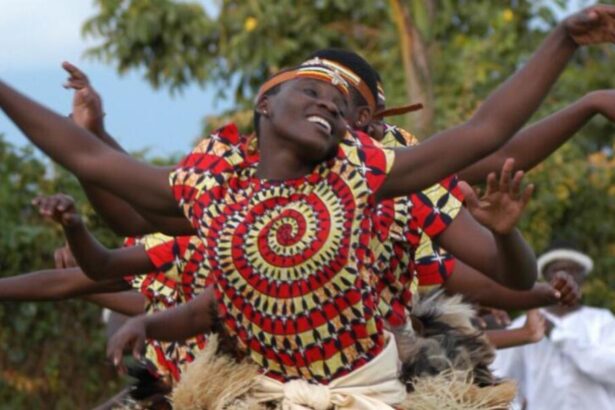
The Banyankole, also known as the Nkole people, are a Bantu ethnic group native to the Ankole region of southwestern Uganda. They are one of the country’s major ethnic communities and were traditionally part of the Ankole Kingdom, a powerful and influential monarchy before its abolition in 1967. Closely related to neighboring Bantu groups such as the Banyoro, Bakiga, Batooro, and the Hema, the Banyankole are renowned for their rich cultural heritage, social traditions, and especially their iconic cattle-keeping practices.
PDF – Banyankole (Nkole) People of Uganda

The Banyankole belong to the larger Bantu-speaking migrations that moved from Central and West Africa into the Great Lakes region over a thousand years ago.
Archaeological findings and oral histories indicate that they settled in the Ankole area between the 10th and 15th centuries, gradually developing a centralized political system that became the Ankole Kingdom.
The kingdom was led by the Omugabe (king), who served as both cultural and political leader. While other Ugandan kingdoms were re-established in the 1990s, Ankole was not formally restored, although many Banyankole still identify with its historical legacy.
The Banyankole, also known as the Nkole people, are a Bantu ethnic group native to the Ankole region of southwestern Uganda. They are one of the major ethnic communities in the country and are known for their strong cultural identity, cattle-keeping traditions, and historical significance.
They primarily live in the districts of Mbarara, Bushenyi, Kiruhura, Ibanda, Isingiro, and Ntungamo—the area historically known as the Ankole Kingdom.
The Banyankole are part of the Bantu migration that moved into the Great Lakes region over 1,000 years ago.
They settled in Ankole between the 10th and 15th centuries, eventually forming the Ankole Kingdom, ruled by the Omugabe (king).
Although many Ugandan kingdoms were restored in the 1990s, the Ankole Kingdom was not reinstated, but its cultural legacy remains strong.
They speak Runyankore, a Bantu language closely related to Rukiga, Runyoro, and Rutooro.
Runyankore is widely spoken in southwestern Uganda and is used in daily life, storytelling, and cultural ceremonies.
Traditional Banyankole society has two major groups:
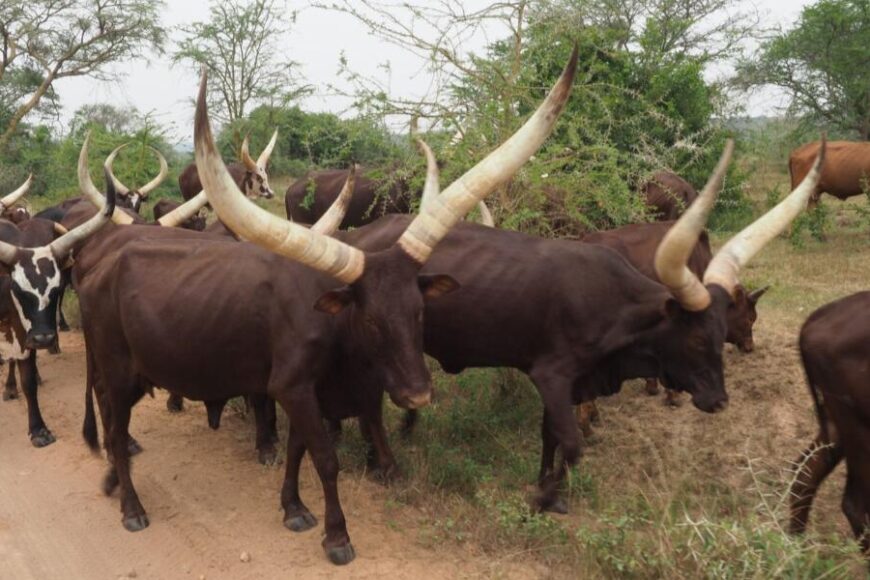
Bahima (pastoralists) – Known for keeping the beautiful, long-horned Ankole cattle.
Bairu (agriculturalists) – Primarily crop farmers growing millet, bananas, beans, sweet potatoes, and more.
These groups historically had distinct roles, but modern life has reduced their differences.
Cattle—especially the iconic Ankole long-horned cattle—are central to Banyankole identity.
They symbolize wealth, social status, and pride. Cattle are used:
As bride price
In ceremonies
For food (milk, ghee, eshabwe)
As indicators of prestige
Even agricultural communities value cattle highly.
Marriage was traditionally arranged between families.
Key features include:
Negotiations between both families
Bride price, often paid in cattle
Training of young women in household duties
Large ceremonies with feasting and cultural rituals
Today, most Banyankole practice monogamy, influenced by religion and modernization.
Men: Wear a kanzu, a long white or cream robe.
Women: Wear a suuka, a flowing dress wrapped around the body and accessorized with beads.
These outfits are still worn during weddings and cultural functions.
Their diet includes milk, bananas, millet, beans, sweet potatoes, and meat. Popular dishes include:
Eshabwe – a creamy ghee sauce
Akaro – millet bread
Matoke – steamed green bananas
Omukamo – fresh milk
Milk-based foods are especially important among the Bahima.
The Banyankole are predominantly Christian:
52.6% Anglican
34.8% Roman Catholic
5.2% Muslim
4.6% Pentecostal
Traditional beliefs—such as ancestral respect and spiritual healing—still influence certain practices.
Major cultural practices include:
Empaako naming ceremony – assigning a pet name for identity and affection
Traditional weddings – involving cattle, gift exchange, and family negotiations
Initiation rituals – particularly for boys learning cattle-keeping skills
Visitors can explore Banyankole culture at:
Ankole cattle farms to see the long-horned breed
Igongo Cultural Center (Mbarara) for history, cuisine, and exhibits
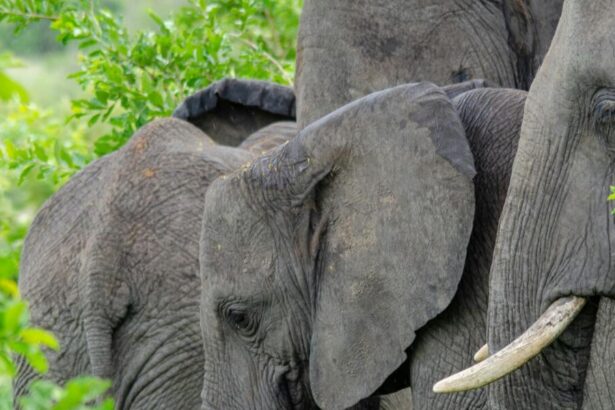
Lake Mburo National Park, where Ankole cattle graze alongside wildlife